A BEER GOES BIG
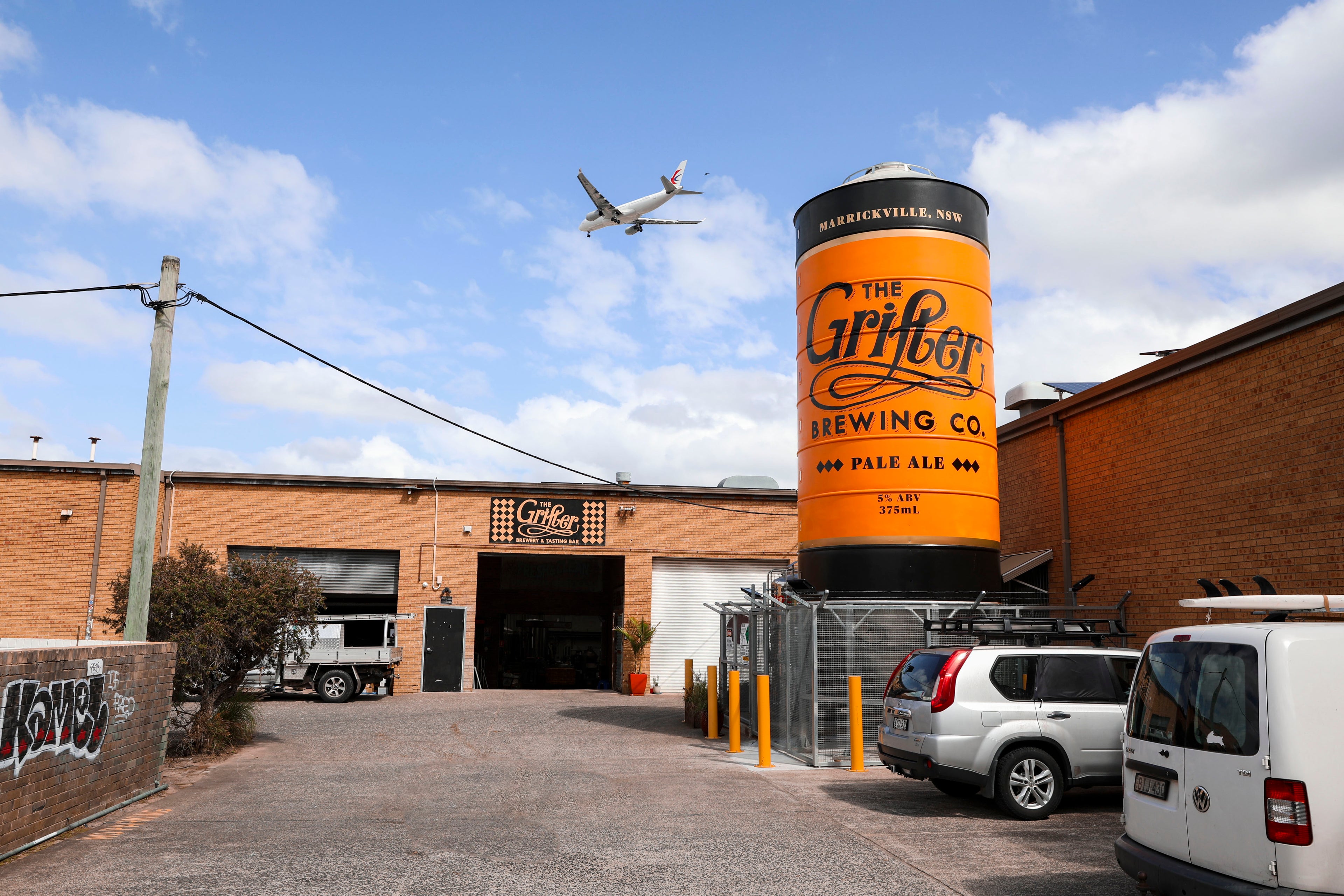
2025 saw us immortalise the iconic, bright-orange can with a 10-metre-high monument, as we transformed our 30-tonne grain silo into Sydney’s first urban “Big Thing”. The aptly named “Big Orange Goblin” is a tribute not only to the Grifter Pale Ale itself but to the local independent brewing community that the Inner West is famous for, an area referred to as “The Ale Trail”.
The B.O.G quickly generated press coverage and a Wikipedia feature, sparked competitions and led to its own merch line. Most importantly, as a functioning grain storage system, it means our Pale (like all our beers) is more ethical, as our need for deliveries is reduced along with our carbon footprint, landfill and brewer workload, all at once.
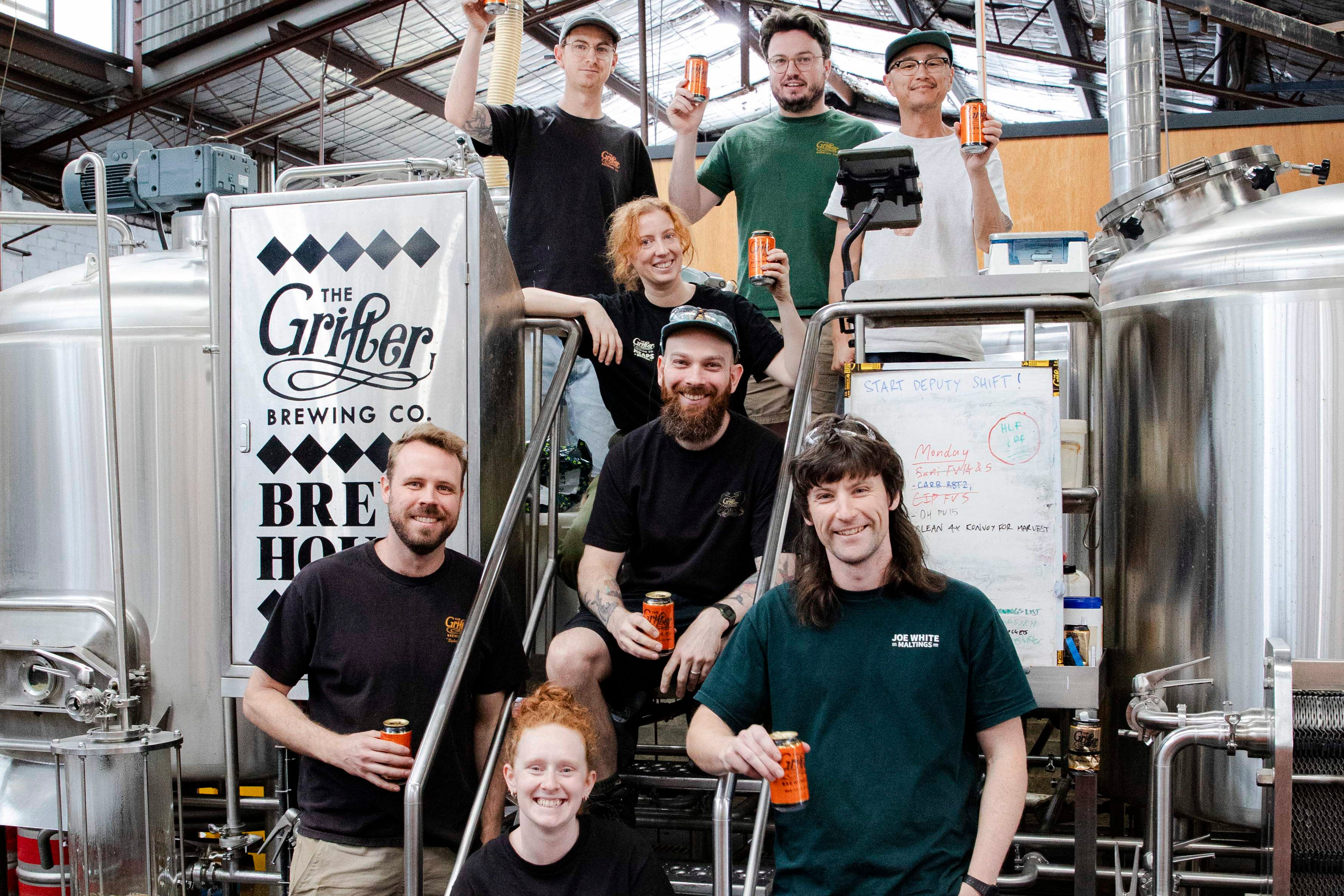
Two months after the unveiling of the B.O.G, we clocked 1000 batches of Pale across our history, a milestone celebrated by our brew team and customers alike. In fact, that number only includes batches brewed since we moved into our Marrickville space in 2015!
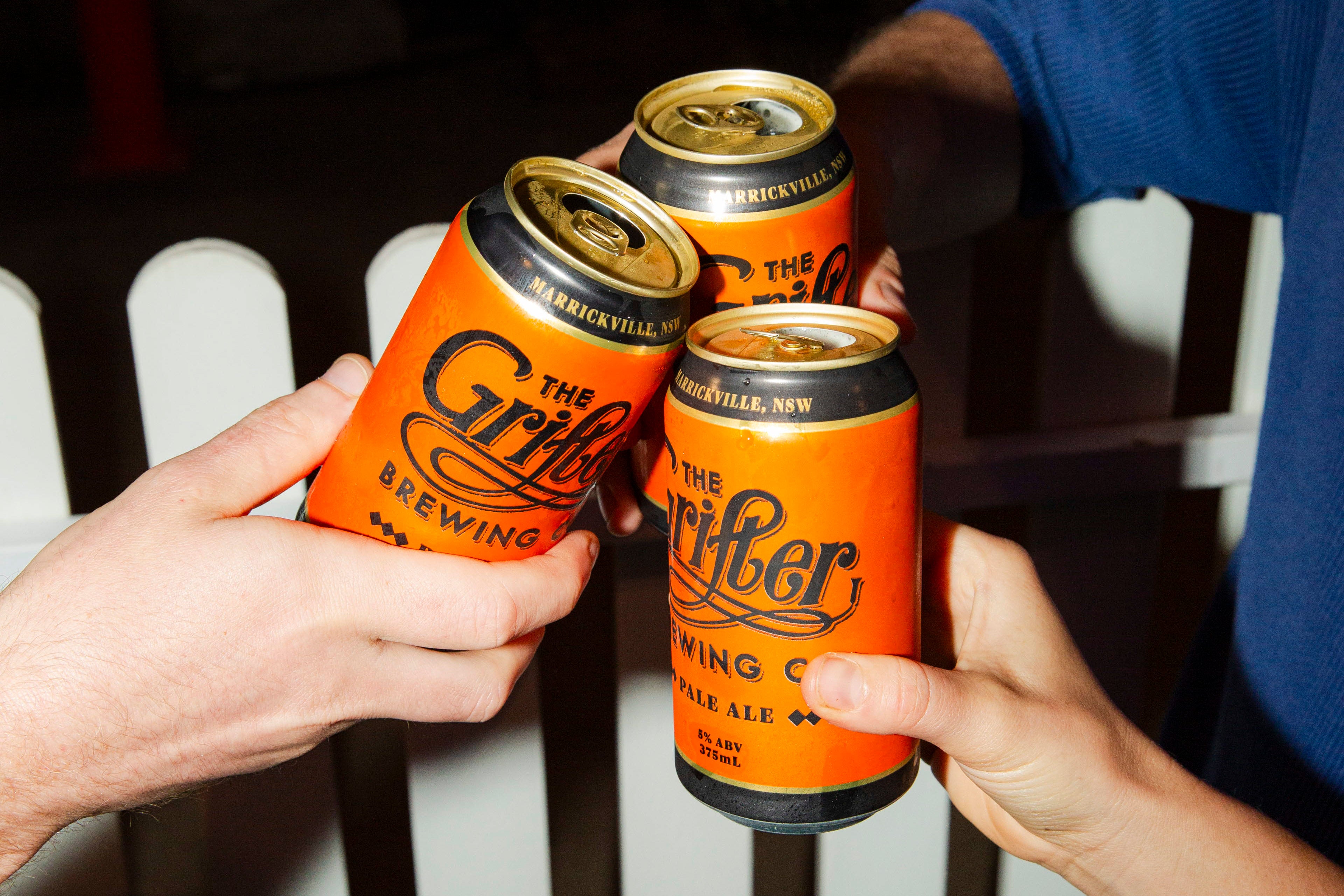
Working out to millions of litres to date, it’s no wonder The Orange Goblin is our undisputed bestseller. The beer routinely places highly in the GABS Hottest 100 and takes out accolades like medals at the Independent Beer Awards.
So, that’s where we’ve arrived. But where did it all begin?
HISTORY BREWING
The Old Fitzroy Hotel in Woolloomooloo was the first venue to have Grifter Pale on tap. Thirteen years ago, we got the call that our beer was going on at The Fitz on a Friday arvo. We turned up with an army of family and friends, drinking the keg dry in about two hours. That thirsty enthusiasm ensured a follow-up order. And we’ve kept the tap running ever since.
For a long time, The Fitz was one of only a handful of venues pouring our Pale, known as “The Edward” back then. We’d do keg deliveries on Thursdays and have a beer with the publican every week. He’d pay us with a cheque, and handshakes meant more than any contract.
This formative relationship is part of our DNA. We started out as a group of young “grifters” learning by doing. It’s because of early and ongoing support from communities like The Fitz that we’re where we are today.